
Aerospace Engineering & Product Design
When it is time to bring your avionics design, UAV system, drone platform, or ISR payload into the real world, our engineers can help make that goal a reality. Sparx aerospace engineers support your whole product life cycle: from concept development, through detailed design and verification, to integration and testing of unmanned aerial systems (UAS) and manned flight hardware alike.
Sparx Engineering brings deep aerospace engineering expertise, with specialized capabilities in avionics design, electrical design, advanced control systems, and prototype development. Our team has extensive experience working with NASA and leading commercial space companies, including the development of environmental control systems and Guidance, Navigation, and Control (GNC) solutions for aerospace applications. We have successfully guided numerous customers from initial concept to working prototype, through qualification testing, and into production‑ready flight hardware. Our team supports UAV and UAS programs at every stage, including ISR missions. From early-concept design through qualification testing and into production-ready flight hardware.
Aerospace Engineering and Avionics
Developing aerospace technologies often requires fresh perspectives drawn from beyond the traditional domain. Sparx Engineering combines aerospace engineering talent and experience with a broad industrial background – spanning robotics, automation, medical devices, and advanced manufacturing – to introduce innovative solutions into aerospace programs. This diverse problem‑solving foundation allows us to accelerate design iteration, apply proven methods from other industries, and help our aerospace partners bring bold new concepts to reality.
Aerospace Product Development
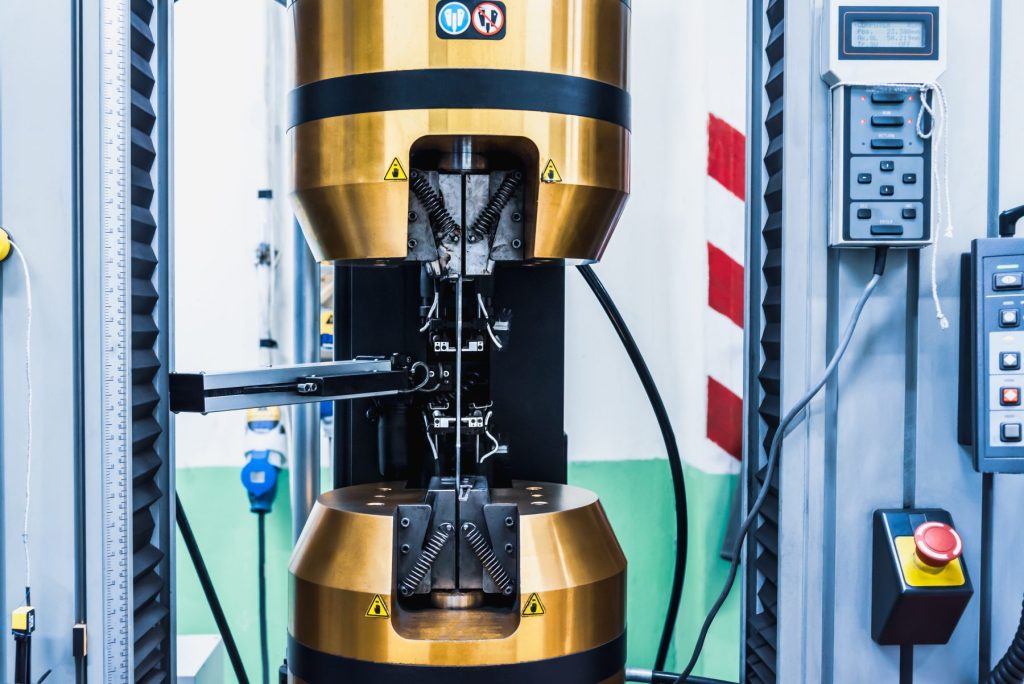
When it comes to safety and reliability, the aerospace sector imposes strict requirements on mechanical systems, electronics, and software. Aerospace systems and components also contend with unique constraints on allowable mass and volume as well as challenging environmental conditions. These same constraints apply directly to UAV, UAS, and ISR system development, where drone platforms must meet strict reliability standards while optimizing for minimal weight, compact electronics, and resistance to harsh operating environments, particularly for ISR payloads that demand continuous, stable operation over extended mission durations. Sparx aerospace engineers have the technology development experience to successfully design to those types of exacting requirements and ensure that your components will pass qualification testing on the first try. Our team supports UAV and UAS programs at every stage, from early-concept design through qualification testing and into production-ready flight hardware.

Aerospace Product Engineering Applications
Power distribution, control systems, and sensor monitoring are a few of the common subsystem types in military and commercial aerospace and spacecraft.
- Power Distribution Units (PDU) are a means of distributing power safely to multiple devices. Core PDU features typically include over current protection, over or under voltage protection, monitoring of output currents and voltages, slow start capability, and fault detection and isolation.
- PDUs may also include power filtering to help a system meet regulatory requirements such as MIL-STD-461, MIL-STD-704, or DO-160 power and EMC requirements. Sparx excels at developing both low voltage and high voltage PDUs to meet your power distribution needs.
- Incorporating robust sensor monitoring and fault detection into control systems is critical to ensuring a reliable and safe aircraft. We design hardware and software to measure and log all types of sensor data including pressure, temperature, flowrate, and vibration. Incorporating sensor feedback and leveraging the ability to interface with external hardware such as valves, pumps, fans, and other actuators, our engineers design control systems to provide robustness in the most challenging environments.
Durable Engineering
Because of the demanding operational environments encountered during atmospheric flight and on space missions, all systems must withstand extreme temperatures and high vibrations to ensure operational reliability, safety, and durability. Sparx avionics design engineers understand how to select materials, components, and systems that endure such harsh conditions and pass qualification tests.
Aerospace equipment must often meet several industry standards, including:
- DO-160: Environmental Conditions and Test Procedures for Airborne Equipment
- DO-254: Design Assurance Guidance for Airborne Electronic Hardware
- DO-178: Software Considerations in Airborne Systems and Equipment Certification
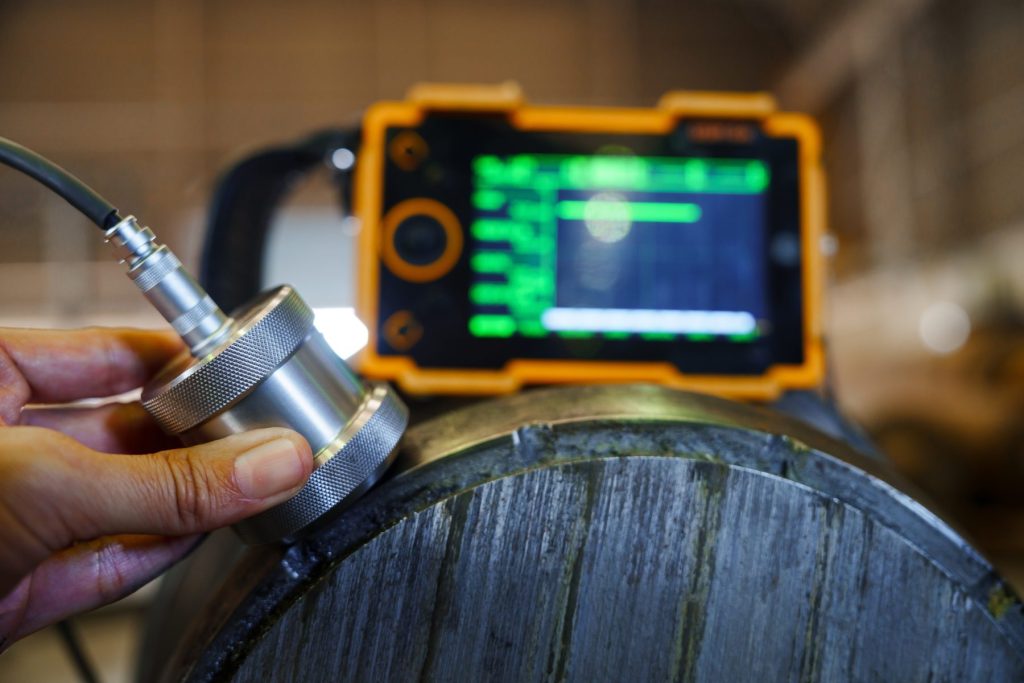
These industry standards impose rigorous requirements on both the avionics product itself and also on engineering processes used to develop it with the goal of ensuring product safety and performance in the challenging aerospace environment. Sparx engineers have designed numerous products in compliance with these and other requirements.

Radiation Hardened Electronics
Hardened electronics and avionics that are capable of functioning in elevated radiation environments are essential for both military and civilian aerospace applications. This is especially true for maintaining operational integrity in space applications where high levels of radiation are the norm and not the exception.
Sparx Engineering—An Aerospace Product Design Firm
Our engineering firm consists of a team of licensed engineers, skilled in electronics, mechanical, software, chemical, and automation systems. Our team has guided products through the rigorous military and space verification and qualification processes, including avionics and electronics for UAV and UAS platforms supporting defense ISR missions and commercial unmanned operations. This breadth of expertise gives us the interdisciplinary capacity to take on complex aerospace product development problems. This is our edge, and how we can bring our customers exactly what they need, when they need it.
Where many competitors focus solely on design or prototyping, we provide a full suite of services, and a comprehensive approach that streamlines the development process and ensures continuity from problem definition to requirements, design, integration, and verification. With in-house 3D printing, CNC machining, and a network of manufacturing contacts, Sparx can rapidly prototype and iterate designs. Our teams are centrally located in the United States, and we never outsource our projects. We are fully accustomed to working with export-restricted technical data under ITAR and EAR.
Whatever your project—from commercial aviation to aerospace product development, to military applications—Sparx can help. Sparx Engineering works with UAV developers, UAS integrators, ISR system designers, and drone hardware startups to accelerate product development timelines and reduce program risk. Contact our team to discuss your unmanned systems or ISR engineering program.. Contact our team to discuss your unmanned systems program. Get in touch with us today and find out what our aerospace engineering firm can do for you.